In old age I shall walk quietly the beautiful trail.
Navajo Prayer
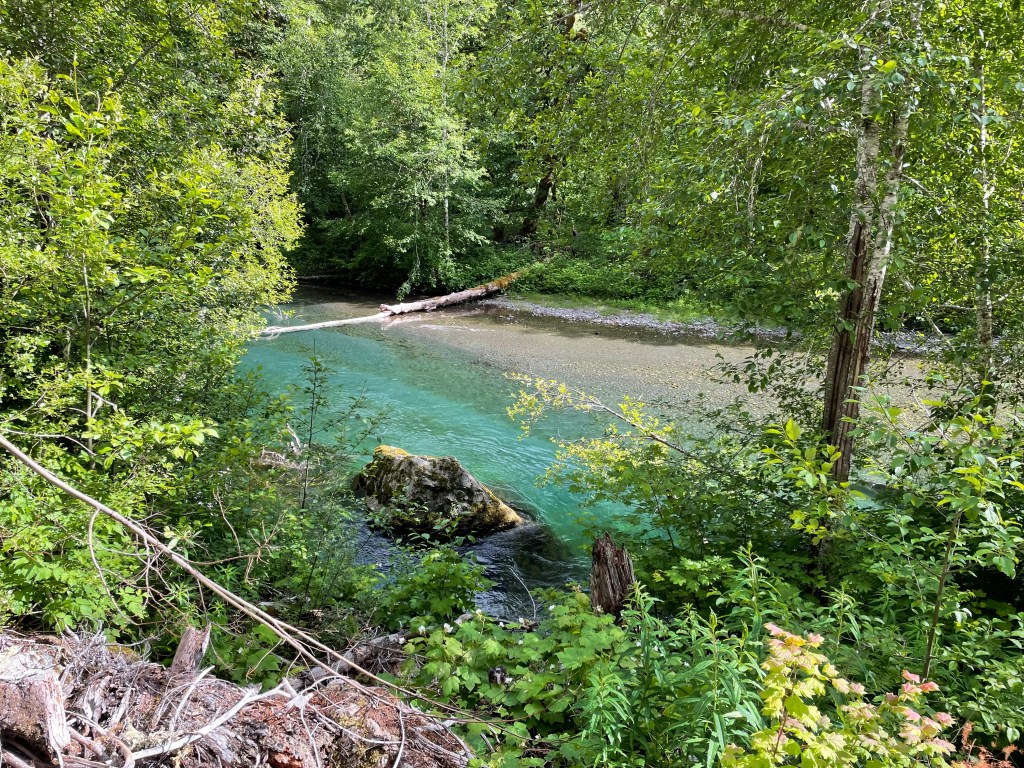
Last week I completed my first backpacking trip of the year. Ordinarily such an event would be no big deal. Until a few years ago I typically would do an early trip in the spring, several short ones during the summer months, and a long trek in late August, often two weeks alone in some wild place with a heavy pack.
Over the last several years various injuries and setbacks have prevented me from wandering freely on mountain trails. Two years ago I tore a hamstring muscle, which kept me off the trails until mid-August. Last summer I was still recovering from a fractured shoulder when summer began. The jostling movement of a hike substantially increased the pain. It did not keep me off the trail. None of these injuries have done that, but they have definitely changed the way I hike: shorter trips, lighter packs. I suppose I should not be surprised by this. I am an old woman, and just as I described in a recent post, I have a lifetime behind me of various injuries and mishaps that have created ache and pains over the years.
This year it has been an aching back and muscle tears in one hip. I spent the winter “taking it easy.” Such a practice is overrated in my opinion, and it did not reduce the pain. I finally resolved that pain is a part of life and I am not going to let it keep me from what I love most. It was time to go backpacking.
Last week’s trip was a kind of experiment. I planned a relatively gentle hike up the Duckabush River, also called “The Duck.” It is one of those beautiful river valleys in the Olympics that starts near sea level and gradually ascends to the high country of the peninsula. My recent post, Shall We Gather at the River, had me thinking about rivers. I wanted to gather there: my thoughts, my longings, and most of all what it means to be in an aging body.
Consequently I resolved that I would simply turn back if the pain became too great. I wanted to hike, but I did not want to do more damage to my aging spine. I left the trailhead with a twenty-six pound pack and immediately began the gentle climb over Little Hump, the first of two “humps” created by glacial action that turn a gentle river hike into an ascent of about 1800 feet in the first three miles before descending again to the river valley. This is the reason it has never been a popular trail, for there seems to be a mistaken idea among hikers that ascending a steep trail should quickly arrive somewhere that is higher than where one started out. . a mountain pass perhaps or a jagged peak.
When I arrived at the summit of Big Hump I stopped and rested while I ate some lunch and admired the view. I felt pleased with myself. I was on the trail. I was carrying a pack on my aching back, and I was headed for my campsite, where I would spend the next two nights.
I made camp after descending from the summit then sat down on my bear canister while I savored a cup of tea and listened to the river, a sound I had been longing for. I kept waiting for the pain to grab me, and it did, but it passed quickly. I was here in this beautiful place, and I was doing what I most love. . .not hiking but sitting alone by the river with a cup of tea.
The next day I left my camp and day hiked up the trail for a round trip of about ten miles, turning back instead of fording the river, as it was rushing and high with snow melt. The following day I packed up my gear and returned to the trailhead, arriving there just before the rain started to fall. My back ached. Of course it did. I had just completed a twenty mile backpacking trip. Aches and pains have always been a part of the experience: back, legs, hips, feet.
In Buddhism there is a practice called Maranasati, in which the practitioner meditates on the reality of one’s death, including such unpleasant details as rotting flesh and maggots crawling about here and there. For obvious reasons it is a practice which I have never enthusiastically embraced, preferring the gentle sound of ohm or counting my breaths.
But when I am in need of a reality check, which is pretty much everyday, I do this: I envision myself as a crumpled heap by the side of the trail, no longer able to stand up, no longer able to hike. Then I do stand up, and I take a step or two. At least for now, this old lady still “shall walk quietly the beautiful trail.”
 The Solitude Trail
I feel like I just read a piece in ‘Force of Nature.’ They’re 3/4’s the way through the JMT. You sound like you’re recounting one of Joan’s accounts. Talk about a high pain threshold.
LikeLike